All Categories
Featured
Cheap Individual Health Insurance
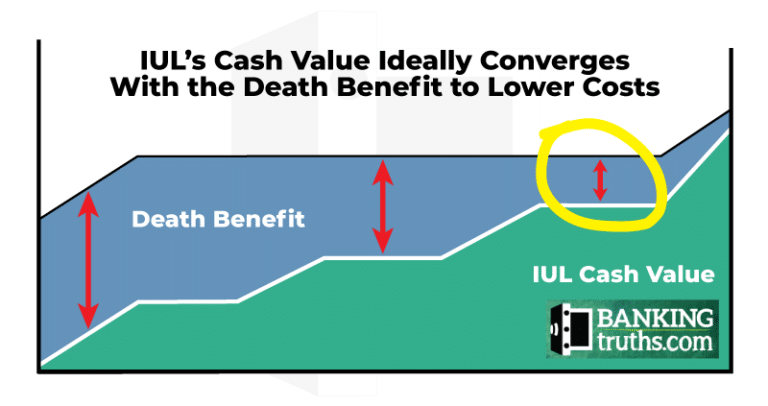
One of the most attractive functions is the ability to access the money worth through policy loans and withdrawals, typically on a tax-free basis, supplied the policy is structured correctly and stays in force. Policy loans are generally not considered taxable income. Withdrawals approximately the amount of premiums paid (your expense basis) are generally tax-free.
Medicare in FullertonNevertheless, it's crucial to understand that if the policy lapses or is surrendered, exceptional loans and gains may become taxable. The adjustable premium payments and possible death advantage options provide a degree of flexibility not constantly discovered in other irreversible life insurance products. While concentrating on money development, the policy still provides an essential survivor benefit for recipients, providing financial defense for your enjoyed ones.
The "best IUL policies for money build-up" will typically feature competitive caps, participation rates, and workable internal costs. The "best business for IUL" for retirement preparation might also offer beneficial loan arrangements. Remember, these functions need to be assessed together. A high cap might be balanced out by high costs or a low participation rate.
Due to the fact that today's cap is not the entire story, our comparison of IUL renewal cap rates: F&G vs Pacific Life and Lincoln looks at how caps have actually altered gradually. While IUL offers engaging prospective advantages, it's vital to approach it with a clear understanding of the associated threats and expenses.
How Term Life Insurance Protects Families
IUL policies are inherently more complex than term life or even standard whole life. Policy illustrations, which forecast future cash worth growth, are based on many assumptions about index efficiency, crediting rates, policy costs, and loan usage.
IUL policies have different internal charges that reduce money value growth. These can consist of: The charge for the pure death benefit protection.
Costs for any fringe benefits added to the policy. Charges applied if you give up the policy or withdraw considerable quantities, typically within the very first 10-15 years. These costs are deducted no matter index efficiency. High internal costs can significantly prevent money worth build-up, particularly in years with low or absolutely no interest crediting.
While the flooring safeguards against direct market * losses *, it doesn't ensure favorable returns. If the connected index carries out badly or stays flat for prolonged periods, your money worth may just earn the flooring rate (typically 0%). After policy costs are deducted, the money worth could possibly decrease in such years.
Even in expanding market years, your credited interest won't go beyond the cap. Participation rates listed below 100% further reduce the credited interest relative to the index gain. Carriers can often adjust non-guaranteed aspects like caps and involvement rates over the life of the policy (within legal limitations), which could impact long-lasting efficiency.

Latest Posts
Evaluating Your Benefits of Indexed Universal Life Plans

PPO vs HMO: Selecting the Plan
Building Family Security with Term Life Insurance